


Our ethnic origins influence the structure and appearance of our skin. When used in the context of skin, the term ethnicity also refers to the different environmental and cultural factors that impact on skin health and appearance.
Research in this area focuses on pigmentation. While challenged by both the limitations of categorisation and inconsistent findings, it shows that skin structure and concerns vary according to ethnic group. How we treat and care for skin and the products that we use should reflect these differences.
How skin colour and pigmentation differ by ethnic group
Our skin colour is determined by the density and the distribution of melanin. Melanin is a pigment produced by specialised cells in the basal layer of the epidermis known as melanocytes. This melanin is then passed to other cells in the basal layer, giving rise to skin pigmentation.
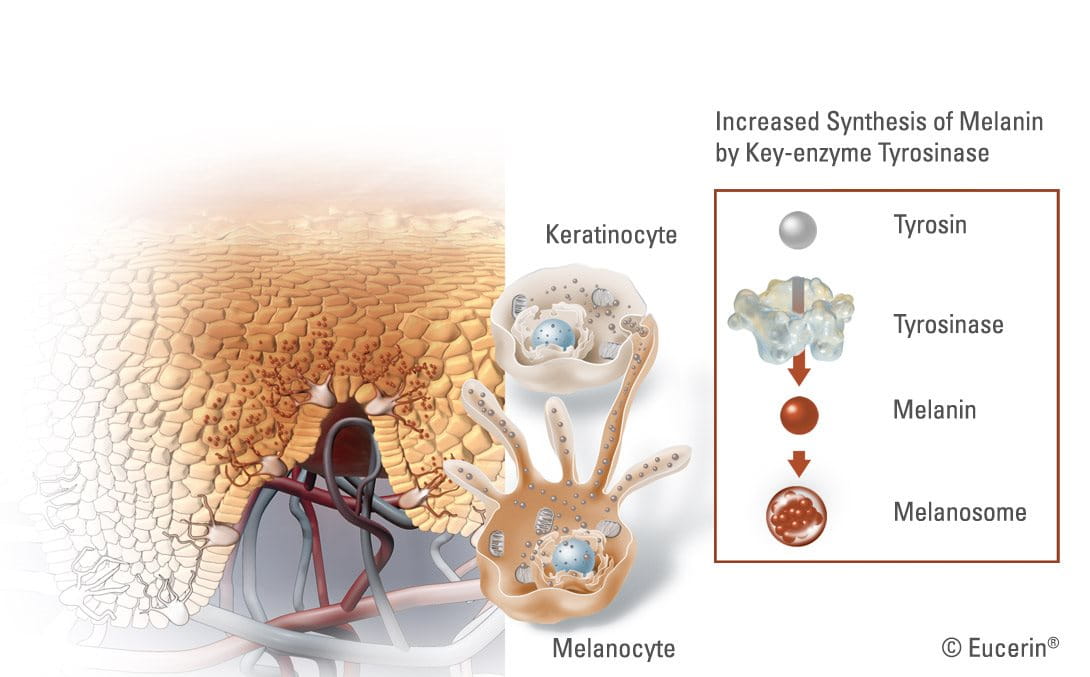
All ethnic groups have a similar number of melanocytes in their skin. What differs between ethnicities is the level of melanocyte activity, combined with how the cells are made up and grouped together. It is these differences that result in different shades of skin.
Attempting to alter the shade of your skin can have an influence on its health:
- The desire to tan amongst those with white skin leads to an increased susceptibility to skin cancers.
- The quest of some women with dark skin to achieve culturally prized lighter skin tones can lead to the use of inappropriate, skin-damaging products.
The impact of ethnicity on skin condition
Whilst many skin conditions are shared by all ethnic types, ethnicity can have an impact on their rank order (i.e. which a certain ethnic group is mostly likely to suffer from) and what they look like.
There are noticeable differences between darker and lighter skins in terms of how they react to the sun, pigmentation disorders, irritation and inflammation.
UV exposure
UV exposure is one of the most significant factors to affect skin health across the entire population, with estimates suggesting that approximately 10% of us will have a skin cancer in our lifetime.

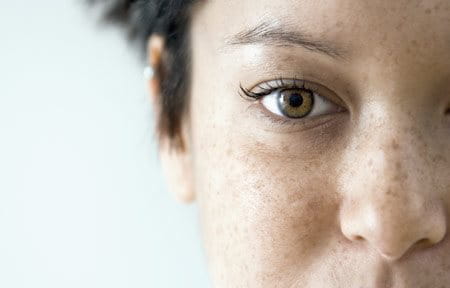
A person’s ethnic group affects how their skin reacts to the sun:
- White skin is more affected by UV exposure, with those who tan poorly and burn easily being at most risk from skin cancers.
- Dark skin enjoys more natural protection from UV rays, with an average UVB protective factor of approximately 13 versus that of 3 in white skin.
- Skin cancer is less prevalent in darker skin. However, multiple reports from the USA suggest that when it is discovered, it may well be at a later, and therefore more advanced, stage.
- Age spots are more visible on Caucasian and Asian skin than on darker skin types.
All skin needs special care in the sun. Read more in how sun affects skin and about how to protect skin from UV rays in sun.
Pigmentation disorders
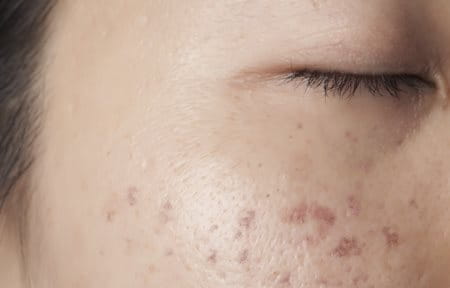
While skin of all colours can suffer from pigment disorders, they are most common, more noticeable and more of a concern for individuals of Asian, Hispanic or African origin. Common inflammatory diseases such as Atopic Dermatitis or acne, which manifest themselves as erythema (a redness of skin caused by dilated capillaries) in white skin, can cause pigmentation changes in darker skins.
Post-inflammatory hyperpigmentation
Darker skins are prone to post-inflammatory hyperpigmentation which is caused by an over production of melanin and appears as patches of darker skin colour. These patches often occur on skin that has suffered from acne and/or Atopic Dermatitis. Read more about the causes and treatment in hyperpigmentation and post-inflammatory hyperpigmentation.
Age spots
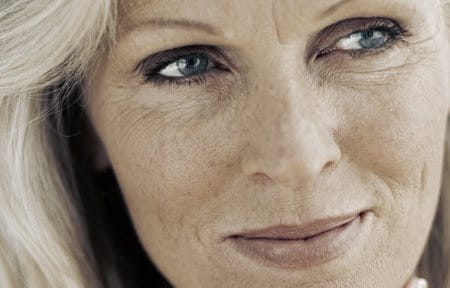
Sun induced age spots (solar lentigines) are more visible on Caucasian and Asian skin than on darker skins. Read more about their causes and how to prevent them in age spots.
Melasma
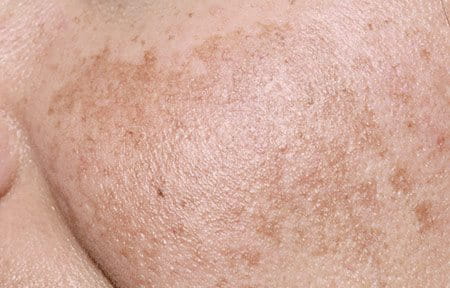
Melasma is a form of hyperpigmentation that appears on the face, generally the cheeks, bridge of the nose, forehead and upper lip and sometimes on other sun-exposed parts of the body, such as the forearms. It is similar in appearance to age spots but the darker affected areas are larger. It is most common amongst dark skinned, Hispanic and Asian individuals: the incidence of Melasma in pregnant Mexican women has been reported to be as high as 80%. Read more about causes and treatment in Melasma.
Irritation and inflammation
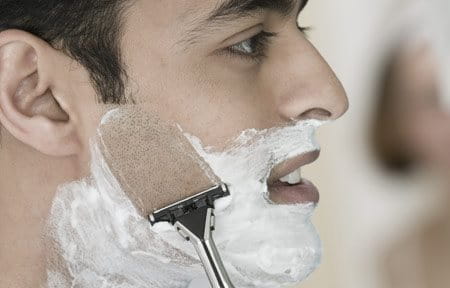
When skin’s natural barrier is disturbed, its protective function is compromised and it is particularly prone to irritation and infection. Infected skin can become inflamed as inflammatory immune cells move in to try and repair the damaged barrier and heal the infection. While this process is the same for all skin types, some research indicates that:
- Dark skin is the least reactive to irritation.
- Hispanic skin is more resistant than Caucasian skin.
- Asian skin is most easily irritated.
Atopic Dermatitis (eczema)
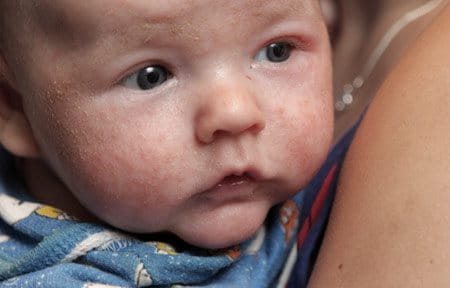
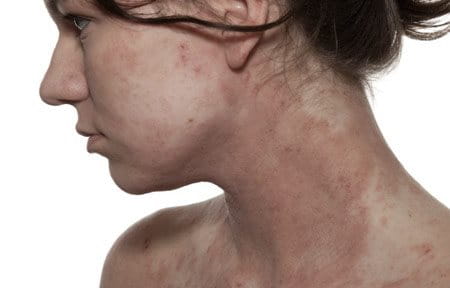
Atopic Dermatitis is one of the most common diseases of childhood. An increasing problem in Western nations, it affects nearly 1 in 5 children. There is some research to suggest that dark skinned and Asian children are more likely to develop the condition in the first 6 months than their Caucasian and Hispanic counterparts. In one third of children the disease dies out during infancy but, for the others, it can continue into adulthood.
Atopic Dermatitis is thought to be genetic. Research has also shown that children from developed countries living in urban areas where the intensity of pollutants is higher, as well as those living in cold climates, are more likely to develop the condition.
Once affected, there are a number of reasons why symptoms get worse. Sufferers are known to have a deficiency of important lipids and natural moisturising factors. As a result, their skin’s barrier function is weakened, moisture loss increases and they are prone to dryness and itchy skin. Sufferers are also known to have an irregular immune function, which makes their skin more reactive to the environment and susceptible to inflammation.
The more skin is itched, the more bacteria is multiplied causing inflammation and further itching which worsens the condition.
Caucasian children tend to get the most trouble on the skin creases where their joints meet (known as flexures) such as the elbows, wrists, behind the knees and fronts of the ankles.
Read more about how to treat and care for Atopic Dermatitis.
Rosacea

Chronic skin redness, known as Rosacea, is most common amongst fair skinned women of Northern European and Celtic ancestry.
Acne

In developed countries, acne affects approximately 85% of the population at some time during their lives. Although the severity of the disease varies across ethnic groups, the differences are small:
- Whilst all acne sufferers get spots, some studies have shown that those with dark skin get more inflammation and post-inflammatory hyperpigmentations than Caucasians.
- Other studies have shown Asian skin to be the most prone to inflammation and scarring.
Read more in the causes of acne and how to treat and care for acne-prone skin.
The impact of ethnicity on skin ageing
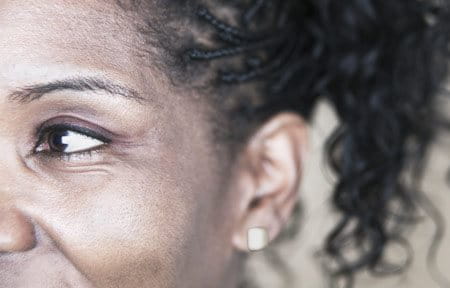
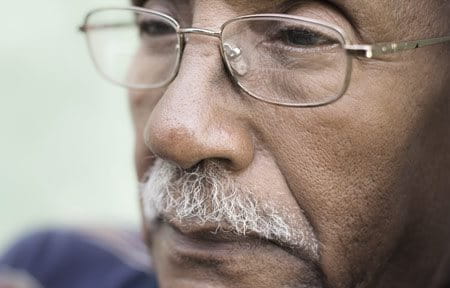
While ageing occurs naturally in all skin types, its signs can vary according to the ethnicity of the skin:
- Signs of ageing appear less severe and start at a later stage on darker skins. This is because darker skins contain more melanin and are better protected from UV rays. Age spots are amongst the first signs of skin photoageing.
- On paler skins ageing appears as fine lines and wrinkles. On dark skins, ageing manifests itself as deep folds, primarily the nasalabial folds.
- As skin ages it may show an increased number of hyperkeratosis. These are particular common on East Asian skin.
- Cases of Dermatosis Pupulosa Nigra (DPN) increase with age. DPN are small, benign lesions that appear all over the face. They are unique to dark skin and extremely common, affecting up to 30% of the African-American population in the USA.
All skins undergo similar changes as they age, with volume loss being one of the global signs of ageing. But how we feel about our ageing skin, and how we voice our concerns, differs according to our culture:
- Northern-European women associate wrinkles with ageing.
- Asian women are more concerned with pigmentation issues.
Read more about the signs of ageing, how to prevent premature ageing and how to care for skin as it ages. Male and female skin ages differently. Read more in how does male and female skin differ?.
Caring for skin from different ethnicities
Skin is vital to our health and wellbeing. As well as acting as our first line of defense against external influences like irritants, bacteria and viruses, healthy skin maintains the balance of fluids in our body and helps to regulate body temperature. Skin also plays an important psychological role. As the most visible indicator of our health, the condition of our skin affects our self-confidence.
Skin care should reflect the individual skin type and condition. If you need further information to help you identify your skin type, and which treatment route to take, the skin test may be a useful diagnostic tool.
The basic guidelines for keeping skin healthy apply to all skin types and colours. Read more in caring for skin on the body and a daily skincare routine for the face.
All skin types need careful protection from UV rays, but the level of protection needed ranges according to skin colour. Read more in skin and the sun.
Common skin disorders can often lead to post-inflammatory pigmentation in skin of colour. It is important to consult a doctor or dermatologist with all skin concerns. Read more about treating and caring for pigmentation concerns.
Those with darker skins should also seek dermatological advice before taking laser skin treatments or having chemical peels given that they are at a higher risk of post-inflammatory hyperpigmentation.
Our brand values

Pioneers in skincare
We deliver a holistic dermo-cosmetic approach to protect your skin, keep it healthy and radiant.

Committed to innovation
For over 100 years, we have dedicated ourselves to researching and innovating in the field of skin science. We believe in creating active ingredients and soothing formulas with high tolerability that work to help you live your life better each day.

Recommended by dermatologists
We work together with leading dermatologist and pharmacist partners around the world to create innovative and effective skincare products they can trust and recommend.