Stretch marks come in many shapes and sizes and can develop for a variety of reasons, not just during pregnancy. This article outlines the causes of stretch marks, how they form, and dispels some myths surrounding their permanent removal.
What are stretch marks?
Stretch marks are a type of scar that appears on the skin as streaks of different widths. They commonly develop across the stomach, arms, thighs, or buttocks.
They are sometimes also called striae, striae distensae (SD), striae atrophicans, or striae gravidarum, which all refer to the same dermal changes that result in stretch marks.
Many people link stretch marks mainly to pregnancy, but they can result from various causes and affect both men and women.
Stretch marks are harmless and part of everyday life for many people, though they can cause some emotional distress due to their appearance.
They are sometimes also called striae, striae distensae (SD), striae atrophicans, or striae gravidarum, which all refer to the same dermal changes that result in stretch marks.
Many people link stretch marks mainly to pregnancy, but they can result from various causes and affect both men and women.
Stretch marks are harmless and part of everyday life for many people, though they can cause some emotional distress due to their appearance.
What causes stretch marks?
Whilst the trigger behind stretch marks can differ, the root cause of their appearance is the stretching of the skin, which disrupts the skin's natural collagen and elastin.
As the skin stretches or shrinks, the collagen and elastin in the skin layer are disrupted, and as the skin settles, a stretch mark forms.
Many factors can cause stretch marks, and their appearance and size will vary based on the root cause.
Some of what can cause stretch marks include:
- Pregnancy - Most common on the stomach as the skin stretches with the baby’s growth. Changes in hormones can also impact the skin during pregnancy in other ways, too.
- Rapid growth during puberty - Hormonal changes and the skin stretching quickly with growth can cause stretch marks to form on the lower back and legs.
- Rapid weight gain or loss - Weight gain or loss can lead to stretch marks across the body, including the stomach, legs, arms, and buttocks.
- Family history of stretch marks - Certain people seem to be more susceptible to stretch marks based on their family history and the prevalence of stretch marks in the family.
- Use of steroids or corticosteroids - Certain treatments can reduce the collagen in the skin, which can result in stretch marks forming.
- Cushing's or Marfan Syndrome - Elevated levels of Cortisol can increase the elasticity of the skin, making stretch marks more likely if you have either condition.
Types of stretch marks
All stretch marks form through the same process, but their type or appearance can differ due to multiple factors, including age (both your own age and the age of the stretch marks) and their root cause.
Stretch marks will usually present themselves on the skin in the following ways:
- Itchy skin that feels tender before the stretch marks form
- Raised red lines that run vertically down the body
- A wrinkly and bumpy texture that eventually flattens
It’s common for stretch marks to appear larger and redder when they form, but over time, they will fade to a more silvery colour and will often form a depression in the skin as they mature.
Can you remove stretch marks?
Due to them being scar tissue, it’s not possible to get rid of stretch marks entirely; however, over time, stretch marks will fade on their own, and there are steps you can take to ensure that the skin around them stays healthy and elastic, which can reduce the chances of new stretch marks forming too.
The following treatments may not be suitable for pregnant women, so please speak to a doctor or midwife before proceeding.
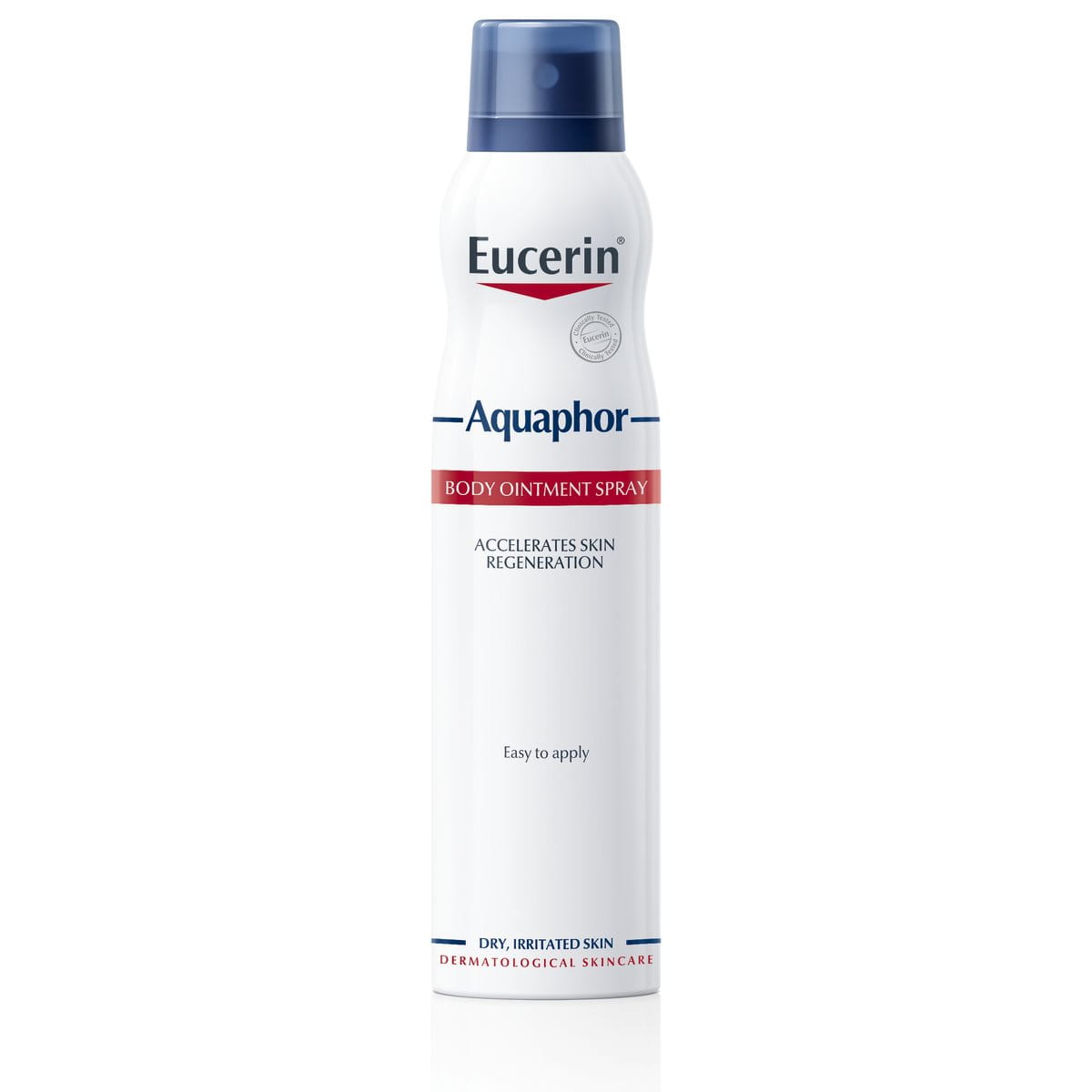
- Topical treatments - You can also use a product like Eucerin Aquaphor Ointment Body Spray that contains a vitamin mix and Lanolin to help soothe, nourish, and hydrate the skin around stretch marks, but no product will remove stretch marks entirely.
- Light therapy - Light and laser therapies can help to stimulate the production of collagen in the skin layer, which may help to lessen the appearance of newer stretch marks.
- Microneedling - Tiny needles delivered to the skin can also help produce collagen, similar to laser therapy, but it is generally less invasive.
- Microdermabrasion - A form of skin therapy where tiny crystals help to remove the top layer of the skin. A pain-free treatment, but it requires regular sessions for long-term effects.
- Self-tanning - Using self-tan products can even out the skin's tone compared to the stretch marks and make their appearance less visible, but the long-term effect is limited.
Before carrying out any treatments for stretch marks, it’s best to speak to a doctor or dermatologist, who’ll be able to assess the stretch marks you have and help you make the right decision on whether to proceed with treatment or not.
Our brand values

Pioneers in skincare
We deliver a holistic dermo-cosmetic approach to protect your skin, keep it healthy and radiant.

Committed to innovation
For over 100 years, we have dedicated ourselves to researching and innovating in the field of skin science. We believe in creating active ingredients and soothing formulas with high tolerability that work to help you live your life better each day.

Recommended by dermatologists
We work together with leading dermatologist and pharmacist partners around the world to create innovative and effective skincare products they can trust and recommend.