
Understanding Aging Skin – How Does Skin Age and How Should I Care for It?

5 min read
Show more

As we age, our skin naturally changes, losing some of its elasticity, firmness, and radiance. While some of these changes are unavoidable, others are influenced by external factors that can accelerate skin aging. Sun exposure, lifestyle choices, and environmental stressors can accelerate the process, leading to premature signs of aging, including fine lines and wrinkles, and dullness. The good news is that with the right skincare routine and healthy habits, you can help manage and slow these signs of aging, keeping your skin looking youthful for longer.

In this article, we’ll explore the early signs of aging, explain what happens during the aging process, examine internal and external causes, and share the best ways to care for your skin as it matures.

What are the first signs of aging?

Although collagen production begins to decrease in the early twenties, the first signs of aging usually appear on the skin around age 25.

Signs of aging can include fine lines, wrinkles, dryness, loss of elasticity, dullness, and uneven skin tone.

You may also notice changes in skin texture, a gradual loss of volume that makes the face appear more angular, and slight sagging in areas such as the cheeks. Find out more about signs of aging below:

Wrinkles

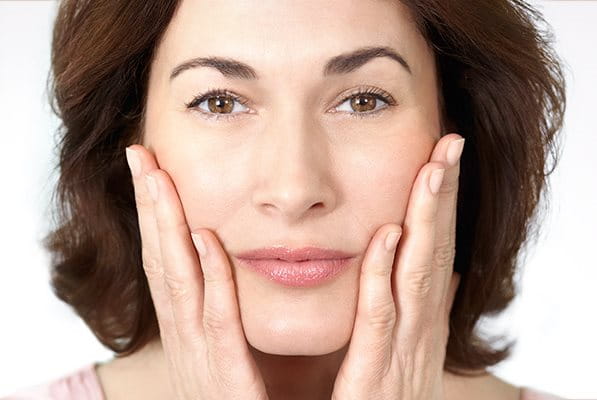
A woman with mature skin but smooth and radiant look
Fine lines and wrinkles are usually the first visible sign of skin aging.

Fine lines and wrinkles are often the first visible signs of aging. Crow’s feet at the corners of the eyes and laughter lines around the mouth usually appear in your 30s, followed by forehead lines. These dynamic wrinkles form when your facial muscles move.

Mouth wrinkles, including marionette lines and nasolabial folds, often start as subtle lines in your late 20s to early 30s, especially if you smile or talk frequently. Over time, they can deepen due to loss of skin elasticity, collagen, and facial volume. Early skincare and treatments that support skin structure can help maintain a smoother, more youthful appearance.

Loss of volume

A woman with wrinkles around the mouth
Sagging skin is a sign of volume loss.

As skin ages, it can begin to lose volume, giving the face a more angular appearance. The cheeks may appear flatter, and the under-eye area can become slightly hollow. Volume loss can also contribute to sagging around the cheeks and mouth, making fine lines and wrinkles more noticeable.

Focusing on hydration, firming, and supporting the skin’s structure in your daily skincare routine can help maintain a fuller, more youthful appearance. 

Dryness

A decline in the skin’s natural oils and moisture-retaining abilities is also common with aging. Your skin may also feel rougher, tighter, or flakier, particularly in areas like the cheeks and around the eyes. Dry skin not only feels uncomfortable but also makes fine lines and wrinkles more visible. 

Using moisturizers that restore hydration and strengthen the skin barrier can help prevent dryness and improve skin texture as you age.

Dullness and Uneven Skin Tone

Aging slows down skin cell renewal and reduces blood flow, which can leave skin looking tired or less radiant. Uneven skin tone, such as slight redness or subtle pigmentation differences, may appear, and mature skin can also become drier and ‘crepey’, losing the natural glow of youthful skin.

Gently exfoliating, protecting the skin from UV damage, and using products that promote radiance can help restore a healthy, even glow.

Loss of Elasticity & Deep Wrinkles

A woman with mature skin and deep wrinkles around the mouth
As our skin loses elasticity, it becomes less firm and deeper wrinkles form.

Loss of elasticity can make skin look older and less resilient. The skin may start to feel less firm and supple, with a weaker structure due to a gradual decline in collagen and elastin. Areas like the cheeks, jawline, and around the eyes may begin to sag, and fine lines and wrinkles become more noticeable.

Skin aging is unique to each individual, so these changes appear at different ages, but they are most commonly experienced by people over 50.

Skin's Ageing Process

Whilst the signs of aging appear on the surface, skin aging takes place in every layer of the skin. Understanding the skin’s structure and aging process is important because it helps you take better care of your skin and address changes effectively.

Epidermal (Outer Layer)

The epidermis acts as a barrier to protect the body and retain moisture. As we age, cell turnover slows, and production of sebum and Hyaluronic Acid decreases. This leads to dryness, rough texture, and the appearance of fine lines and wrinkles. Aging also makes the skin more sensitive to the sun, slower to heal, and more prone to irritation.

Dermis (Middle Layer)

The dermal layer mainly consists of collagen, elastin, and connective tissues, and it is rich in blood vessels. From around age 25, collagen declines by about 1% per year, and elastin function decreases. This weakens the skin structure, making wrinkles more likely and reducing radiance due to lower blood circulation.

Subcutaneous layer (Innermost Layer)

The deepest layer stores fat for padding and insulation. The most significant changes are the reduction in size and number of lipid-storing cells. With age, fat cells shrink, leading to volume loss, sagging, and deeper wrinkles, especially around the cheeks and temples.

an illustration of skin aging process
The skin aging process affects every layer: 1) Epidermal layers, 2) Dermal layers, 3) Subdermal layers

How to Reduce Visible Signs of Aging

Slowing down and reducing the visible signs of aging requires a combination of skincare, lifestyle choices, and protection from external factors. Read the dermatologist-approved steps below:

Anti-Aging Skincare Routine

Eucerin Hyaluron Filler Epigenetic Serum can reverses 10 signs of ageing visibly in 4 weeks
Eucerin Hyaluron-Filler Epigenetic Serum is clinically proven to reduce the visible signs of ageing in just 4 weeks*.

If you’re in your twenties, now is the perfect time to start using anti-aging products. A good routine can help prevent early signs of aging, keeping your skin healthy, plump, and youthful for years to come.

  • Gentle cleansing: Begin your routine with a gentle cleanser like the Eucerin DermoPure Cleansing Gel to remove dirt, impurities, and bacteria without stripping your skin’s natural moisture.
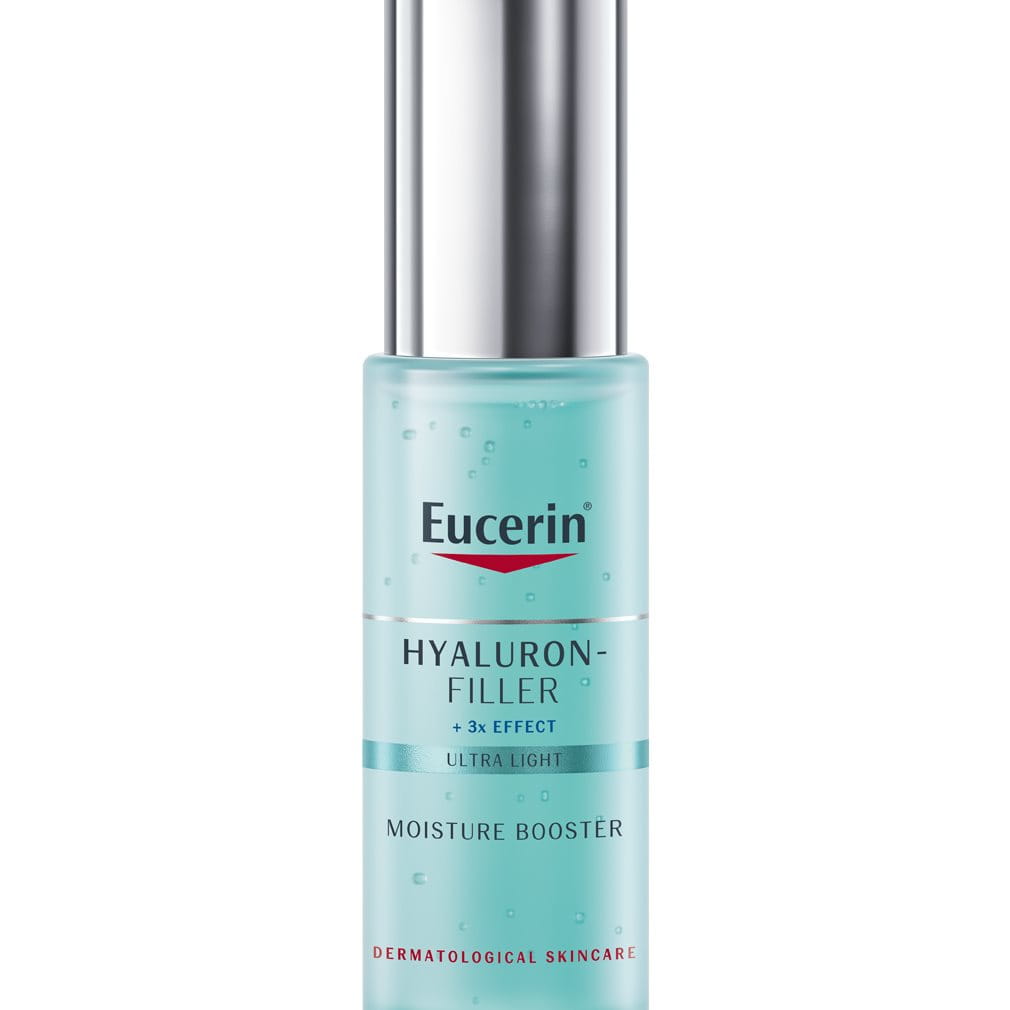
  • Anti-aging serums: Use Eucerin Hyaluron-Filler Epicelline Serum every day. This clinically tested epigenetic anti-aging serum contains the active ingredient Epicelline®, proven to visibly reverse signs of skin aging, reactivate youth genes, and reduce fine lines and wrinkles for firmer, younger-looking skin*.
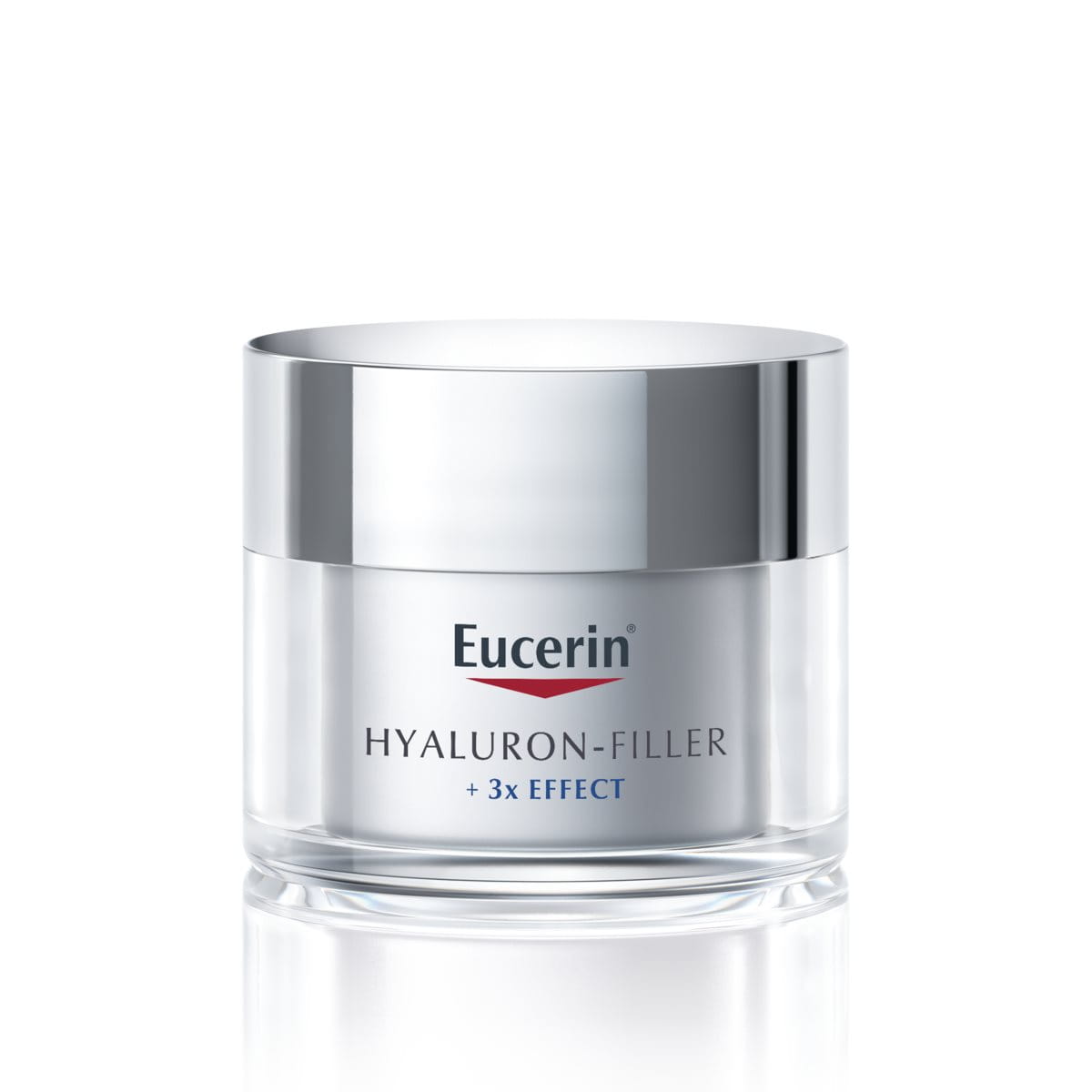
  • Moisturize: Make sure to moisturize your skin day and night because hydrated skin is healthier, more resilient, and naturally more youthful-looking. In the morning, use Eucerin Hyaluron-Filler +3x Effect Day SPF 15, which combines high- and low-molecular hyaluronic acid to hydrate both the surface and deeper layers of your skin, stimulate your skin’s own hyaluronic acid production, and protect against UV-induced aging. At night, apply Eucerin Hyaluron-Filler +3x Effect Night Cream, which continues to hydrate and plump the skin, supports regeneration, and helps preserve the skin’s natural Hyaluronic Acid, ensuring long-lasting hydration while you sleep.

* Product-in-use test with 160 women over 4 weeks

Eucerin Hyaluron-Filler for Signs of Ageing

Find out more about an effective anti-aging skincare routine.

Protect Your Skin from the Sun

Sun exposure is one of the main causes of premature skin aging. To protect your skin, use a broad-spectrum sunscreen every day, wear protective clothing, and limit time in direct sunlight.

Eucerin Sun Face Photoaging Control Fluid SPF 50+ is a high-performance sunscreen designed to protect the skin from sun-induced aging and support its natural repair mechanism. Its formulation combines advanced sun protection with active ingredients that help reduce the visible signs of photoageing. 

Explore more Eucerin sunscreens tailored to your skin type.

Lifestyle Habits

A woman sleeping
Getting good-quality sleep can help reduce skin aging.

Reducing the visible signs of aging isn’t just about using the right skincare products; it’s also about lifestyle choices and protecting your skin from daily stressors. 

  • Stay active and manage stress: Maintaining an active lifestyle and limiting exposure to pollution help reduce oxidative stress on your skin.
  • Prioritize quality sleep: High-quality sleep each night allows your body to repair and regenerate, keeping your skin healthy and youthful.
  • Eat a balanced, antioxidant-rich diet: Include fruits, vegetables, leafy greens, beans, oily fish, and nuts to protect your skin from free radical damage.
  • Avoid smoking: Quitting smoking reduces harmful free radicals and improves both your skin’s appearance and overall health.
  • Adapt your skincare routine: Tailor your routine to your skin’s changing needs, from targeting fine lines in younger skin to boosting elasticity in more mature skin.
  • Consistency is key: Daily cleansing, care, and sun protection form the foundation of healthy, resilient, and radiant skin.

What are the causes of skin aging?

Aging skin can be influenced by many factors, including genetics and natural processes like reduced collagen and elastin production. It can also be accelerated by external factors such as sun exposure, pollution, smoking, poor nutrition, lack of sleep, and repeated facial expressions.

Internal causes

An illustration of young, radiant skin
Connections between skin layers allow moisture and nutrients to be delivered efficiently to the visible upper layers.
An illustration of mature skin that loses elasticity and collagen, starting to wrinkle
Over time, these connections and systems slow down, resulting in visible skin aging.

Some of the causes of skin aging are natural and unavoidable. These are known as internal, intrinsic, or chronological aging. Our biological age determines structural changes in the skin and how efficiently cells function, both of which slow down over time.

  • Hormonal influences – As estrogen levels decrease, communication between skin cells becomes less effective, leading to visible changes in texture and firmness.
    - Reduced blood circulation – Blood flow to the skin slows as we age, meaning fewer nutrients and less oxygen reach the surface. This causes the natural radiance of youthful skin to fade, leaving skin looking dull.
  • Genetics – The skin type and phototype you are born with play a major role in how your skin ages. Genetics influences factors such as thickness, sensitivity, and the amount of natural collagen your skin produces. Epigenetic changes affect how our genes function and are influenced by factors like lifestyle, environment, and aging, without altering the DNA itself. Over time, these changes can disrupt the production of collagen and elastin—proteins essential for firm, smooth skin—leading to sagging and wrinkles, especially in areas that move frequently, such as around the mouth. Eucerin Hyaluron-Filler Epicelline Serum helps restore the skin’s firmness and resilience, smoothing wrinkles for a more youthful appearance.
  • Age-related changes – Over time, the skin produces less collagen and elastin, making it thinner, weaker, and less firm. This leads to wrinkles, sagging, and greater fragility, as well as slower healing and increased sensitivity to external stressors.
  • Health condition – Certain chronic health conditions that are more common in older adults, such as diabetes, kidney disease, heart disease, atherosclerosis, and other health conditions, can also accelerate the skin aging process and cause symptoms that affect the skin

External causes

A woman under the sun
Sun exposure accelerates skin aging by damaging collagen and elastin, causing wrinkles, sagging, and age spots.

Skin aging isn’t just a natural process; it’s also shaped by external factors we face daily. Sun exposure, pollution, smoking, poor nutrition, and unsuitable skincare can all accelerate visible signs of aging such as wrinkles, sagging, and uneven tone. Knowing how these factors affect your skin helps you take steps to protect and preserve its youthful appearance.

Sun – The sun’s rays are the primary external cause of skin aging via oxidative stress. Skin damage caused by the sun is known as photoageing, and uneven pigmentation is often one of the first visible signs of aging. For this reason, it is important that you take action to prevent and treat sunburn to keep your skin healthy.
Pollution – Exposure to air pollution can trigger the release of skin-damaging free radicals. Pollution also worsens the effects of sun exposure, further accelerating oxidative stress.
Smoking – The chemicals and nicotine contained in cigarettes increase the number of free radicals in the skin. Like pollution, they also intensify the effects of sun exposure.
Nutrition – Antioxidants are molecules with the ability to neutralize the free radicals that damage skin and speed up skin aging. Eating lots of antioxidant-rich fruits and vegetables is an important part of caring for our skin as it ages.
Inappropriate skincare – Skin will age more quickly if it is poorly cared for or if you use products that irritate your skin. Thorough cleansing with gentle products appropriate for your skin type, along with regular application of products targeted at your skin’s primary concern, will help care for your skin.

Summary

Understanding how and why our skin ages is key to maintaining a youthful, healthy complexion. Skin aging is influenced by internal factors such as genetics and hormonal changes, as well as external triggers like sun exposure, pollution, and lifestyle habits. While we can’t stop the natural aging process, adopting an effective anti-aging skincare routine, eating a balanced diet, staying hydrated, and protecting your skin from UV damage can significantly slow the visible signs of aging.

By combining daily sun protection with targeted skincare and healthy lifestyle choices, you can help preserve skin firmness, smoothness, and radiance for longer.

FAQ About Signs of Aging (4)

  • At what age does your body age the most?

    Early signs of aging can appear in your late 20s, often subtly at first and becoming more pronounced over time. Initial indicators include fine lines, a lack of radiance, and dullness. Specific wrinkles, like marionette lines (from the mouth to the chin) and nasolabial folds (from the nose to the mouth), can start as faint lines in your late 20s or early 30s. 

    These deepen with repeated facial expressions, as your skin naturally loses elasticity and collagen. Consistent skincare that supports skin structure can help maintain a smoother, more youthful appearance.

  • What are the first signs of aging?

    Early signs of aging can appear in your late 20s, often subtly at first and becoming more pronounced over time. Initial indicators include fine lines, a lack of radiance, and dullness. Specific wrinkles, like marionette lines (from the mouth to the chin) and nasolabial folds (from the nose to the mouth), can start as faint lines in your late 20s or early 30s. 

    These deepen with repeated facial expressions, as your skin naturally loses elasticity and collagen. Consistent skincare that supports skin structure can help maintain a smoother, more youthful appearance.

  • How can I prevent the visible signs of aging?

    You can prevent and reduce the visible signs of aging by following a comprehensive approach that includes a good anti-aging skincare routine, daily sun protection, and healthy lifestyle choices. This involves using a gentle cleanser, applying an anti-aging serum and moisturizer, protecting your skin from UV rays with SPF, and incorporating healthy habits like a balanced diet and quality sleep.

  • Are large pores a sign of aging?

    Yes, large or more noticeable pores can be a sign of aging. While genetics and excess oil production are the primary factors in determining pore size, aging can make pores appear larger for several reasons:

    • Loss of Elasticity: As we age, the skin loses its natural firmness and elasticity due to the breakdown of collagen and elastin. This sagging can cause the skin around pores to stretch, making them appear wider and more prominent.
    • Sun Damage: Long-term exposure to UV radiation can damage the skin's support structure, leading to a loss of skin firmness and elasticity. This sun damage can also thicken the skin's outer layer, making the edges of pores appear larger.
    • Clogging: As skin regeneration slows down with age, dead skin cells can accumulate on the surface and mix with oil, leading to clogged pores. This can stretch the pore, making its opening appear larger.

Sources

Shen, X., Wang, C., Zhou, X., Zhou, W., Hornburg, D., Wu, S., … Snyder, M. P. (2024). Nonlinear dynamics of multi-omics profiles during human aging. Nature Aging, 4, 1619–1634. https://doi.org/10.1038/s43587-024-00692-2
 

Recommended Articles

Our brand values

Pioneers in skincare

We deliver a holistic dermo-cosmetic approach to protect your skin, keep it healthy and radiant.

Committed to innovation

For over 100 years, we have dedicated ourselves to researching and innovating in the field of skin science. We believe in creating active ingredients and soothing formulas with high tolerability that work to help you live your life better each day.

Recommended by dermatologists

We work together with leading dermatologist and pharmacist partners around the world to create innovative and effective skincare products they can trust and recommend.